We are what we think
/“You can’t depend on anyone. My father is a complete scumbag, loser, and never did one thing he said he would. He is a liar and hurts people. He only calls once a year promising to call back but never does.” Raw pain and constant disappointment hid behind those bitter words from the sweet-lipped and pretty young woman. Her tone was casual, as if she were talking about ice-cream. Old anger, resentment, and a history of negative experience was so deep that she had no idea of the negative energy she carried or how it affected her attitude and thoughts about life. From her father’s selfish and self-destructive behavior, she adopted the belief that no one was trustworthy, and nothing would work. Her pain was so embedded that she missed the truth. His actions were about his own self-hate and didn’t reflect the world at large. At age twenty-four, she suffered from anxiety, depression, and extreme fatigue.
When we hold on to pain and struggle, it affects our outlook and harms us emotionally and physically. Most of us have experienced disappointment, struggle, pain, and fear in our lives. What we chose to focus on greatly affects who we are and how we feel.
Scientific study tells us that our thoughts and attitudes directly impact our physical wellbeing. Negative thought weakens our heart, brain, immune, digestion, and more.
Health.com recently posted: “A 2014 study published in the journal Neurology linked high levels of cynicism later in life, i.e. a general distrust of people (and their motives), to a greater risk of dementia compared to those who were more trusting, even after accounting for other risk factors like age, sex, certain heart health markers, smoking status, and more. This way of thinking may also hurt your heart. A 2009 study from the journal Circulation looked at data from nearly 100,000 women and found that the most cynical participants were more likely to have heart disease than the least cynical folks. The more pessimistic women also had a higher chance of dying over the study period, versus those who were more optimistic about humanity.”
This is just one of thousands of published medical studies that all have the same conclusion. Our bodies believe what we tell them. If we have pessimistic thoughts, we send our bodies a negative message which results in weakness. We wonder why we feel exhausted, cranky, lackluster, and in generally poor health at the end of our day or week, regardless of our diet or physical exertion.
Many of us resist the notion that WE are negative thinkers, believing if we are then we are in some way bad or wrong, which is not true. It doesn’t matter what happened in our lives or how we became negative. It’s ok. We are still good, loving, people. In many cases, we learned to think negatively and anticipate the worst. What has power is a decision to change our thoughts and improve our lives and health.
What is the answer? At the risk of sounding clichéd, a practice in meditation, forgiveness, gratitude, or a habit to lift people up. Any one of these or combination of them, will change your life and health for the better. We may feel hopeless and stuck to change the way we think, but we can make the change. The result is better health, a positive outlook, and happy relationships. No matter what method of change we choose, the key is to find one we resonate with and stick with it.
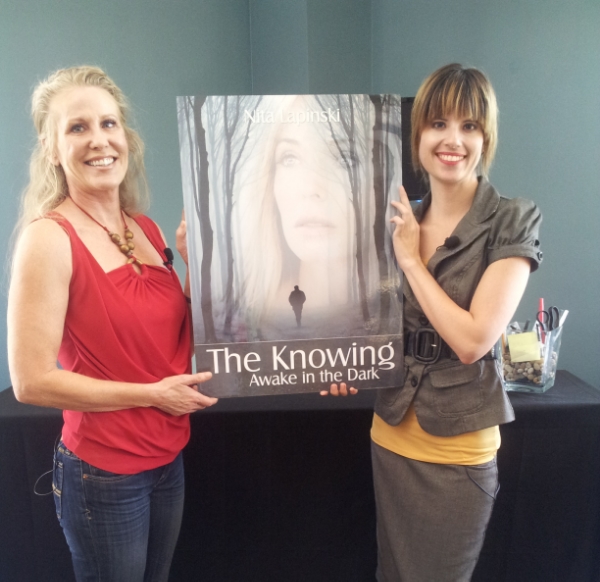
Attitude is Everything by Jeff Keller, Positive Thinking by Jack Morris, Good Morning by Brook Noel, Daily Affirmations by Jason Thomas, Forgiveness by Iyanla Vanzant, Gratitude by Louise Hay, and The Magic by Rohnda Byrne, or my own books, Habits That Heal and Meditation for Beginners by Nita Lapinski are all full of ideas and methods for positive change and are available for under $15.00 on Amazon.
It doesn’t matter where or how we begin, only that we do. Here’s to your happiness and good health!
Nita Lapinski